

Summer brings warmth and long drives, but it also poses risks to vehicles. Engine overheating is a common issue during high temperatures. When the engine gets too hot, components expand, fluids degrade, and performance drops. Overheating can lead to expensive repairs or even complete engine failure. Recognizing the threat and taking proactive steps is essential for safe driving.
The Role of Engine Coolant
Coolant circulates through the engine, absorbing heat and maintaining optimal temperatures. During hot weather, coolant works harder to prevent overheating. Low levels, leaks, or degraded fluid reduce its effectiveness. Checking coolant regularly and topping up with the recommended type ensures your engine remains protected.
Inspecting the Radiator and Hoses
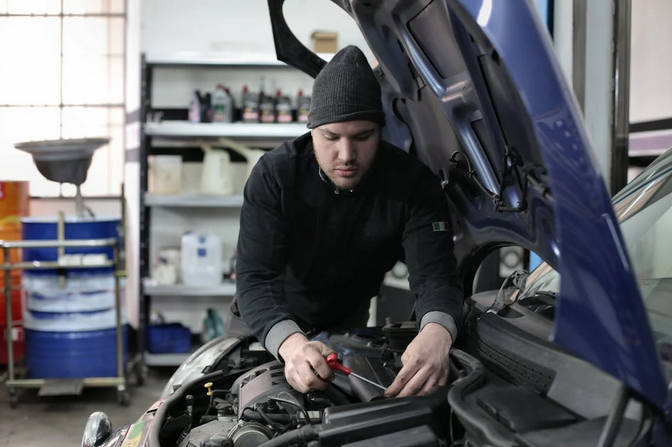
The radiator dissipates heat from the engine into the air. Its efficiency is crucial, especially in high temperatures. Hoses carry coolant between the radiator and engine. Over time, these hoses can crack, weaken, or leak. Regular inspection ensures there are no blockages, cracks, or worn connections. A functional radiator and intact hoses are unique components that directly prevent overheating.
The Importance of Engine Oil
Engine oil reduces friction between moving parts and helps regulate temperature. Old or low oil increases heat and wear, putting the engine at risk. High-quality, properly graded oil ensures smooth operation. During hot weather, consider checking oil levels more frequently. Regular oil changes are a simple but effective way to prevent unnecessary heat buildup.
Checking the Thermostat
The thermostat controls the flow of coolant through the engine. If it malfunctions, coolant may not circulate correctly, causing the engine to overheat. A stuck thermostat can create hotspots and strain the cooling system. Routine inspections help ensure that the thermostat opens and closes at the correct temperature, maintaining a stable engine environment.
Monitoring the Fan and Belts
Engine fans assist in cooling by drawing air through the radiator, particularly at low speeds or in traffic. Fan belts power these systems and other essential components. Worn or broken belts reduce efficiency and increase overheating risk. Checking belts for cracks, fraying, or looseness ensures the cooling system operates at its utmost capacity during heatwaves.
Avoiding Stressful Driving Conditions

Hot weather combined with heavy traffic, towing, or long uphill drives puts extra stress on the engine. Driving habits can influence overheating risk. Avoid idling for long periods, reduce heavy loads when possible, and take breaks on long trips. Allowing the engine to cool during high-demand conditions protects vital components and prolongs engine life.
Seasonal Maintenance Tips
Preparing your car for summer goes beyond daily checks. Flush the cooling system periodically to remove debris and old fluid. Replace worn hoses, belts, and the thermostat as needed. Ensure tire pressure is correct, as overheating can also affect tire performance. Keeping windows slightly cracked in traffic or parking in shaded areas reduces heat buildup inside the car, indirectly supporting engine performance. Consistent seasonal maintenance ensures your vehicle stays reliable and reduces the risk of overheating when temperatures soar.
Engine overheating in hot weather is preventable with attention to coolant, oil, radiator function, and overall vehicle condition. Regular inspections, mindful driving habits, and proactive maintenance create a safer and more reliable driving experience. By taking these steps, car owners protect their engines, avoid costly repairs, and enjoy summer drives with confidence. Hot weather does not have to mean engine trouble when seasonal car care is prioritized.…


 The first tip is to check the coolant level in your car regularly. Coolant, also known as antifreeze, helps regulate your engine’s temperature. If the coolant level is low, it can lead to overheating. Check your owner’s manual for instructions on how and when to check the coolant level in your specific make and model of car. If the level is low, add more coolant. This way, you can avoid overheating and potential damage to your engine.
 The third tip is to replace the air filter in your car regularly. A dirty air filter is known to affect airflow, causing your engine to work harder and potentially overheat. There is a specific number of miles that your air filter should be replaced, but it can also depend on the conditions you drive. If you often drive on dirt roads or in a heavily polluted city, you may need to replace it more frequently. This way, you can ensure proper airflow to your engine and prevent overheating. The air filter is something that some drivers do not pay much attention to.
 Although there are many reasons why a car engine may overheat, following the preventive tips we’ve outlined can help you avoid this problem. If your engine overheats, pull over to a safe location and call for assistance. By being proactive and using these tips as preventative maintenance, you can save yourself time and money in the long run. Have you ever had to deal with an overheated car engine? What tips do you have to share? Let us know in the comments below…
 The availability of car spare parts is one factor that you must consider even before you purchase a car. Car manufacturers are keen to ensure that every car model has a number of spare parts available in the market. Again, some countries have a choice of which cars they’d want to be assembled. This may be because of their roads or traffic and vehicle guidelines. To avoid the strain of searching for car spare parts, ensure that you buy a car with available
 When purchasing a used car, buying from a friend, relative, or acquaintance may not be the best option. You may be doing a favor to them, but you may be on the losing side of things. They have a wide range of used cars to choose from, and all used vehicles that are up for sale are guaranteed to be in their best condition. A car dealer would not want to tarnish its image by selling used vehicles that were not thoroughly inspected and repaired from their defects.
 If you are buying a secondhand car because you are not comfortable with your old vehicle and you just don’t want to drive it anymore, you can look for car dealers where you can trade-in your old vehicle. The proceeds will help you pay for the pre-owned car that you are buying.
 Before you buy a used car, take your time to check on the engine. If you have limited car knowledge, look for a professional mechanic that can help you to check on the engine. Remember that the engine car acts as the heart of your vehicle. Therefore, you need to ensure that you are buying a vehicle that has no engine problems. By doing this, you will have the right car.

 You should